Cafe tables sized by what lands on them
Two-tops are not small four-tops. The width is set by two cups and two plates meeting in the middle without a laptop being pushed off the edge, and the base is set by how much the floor moves under it.
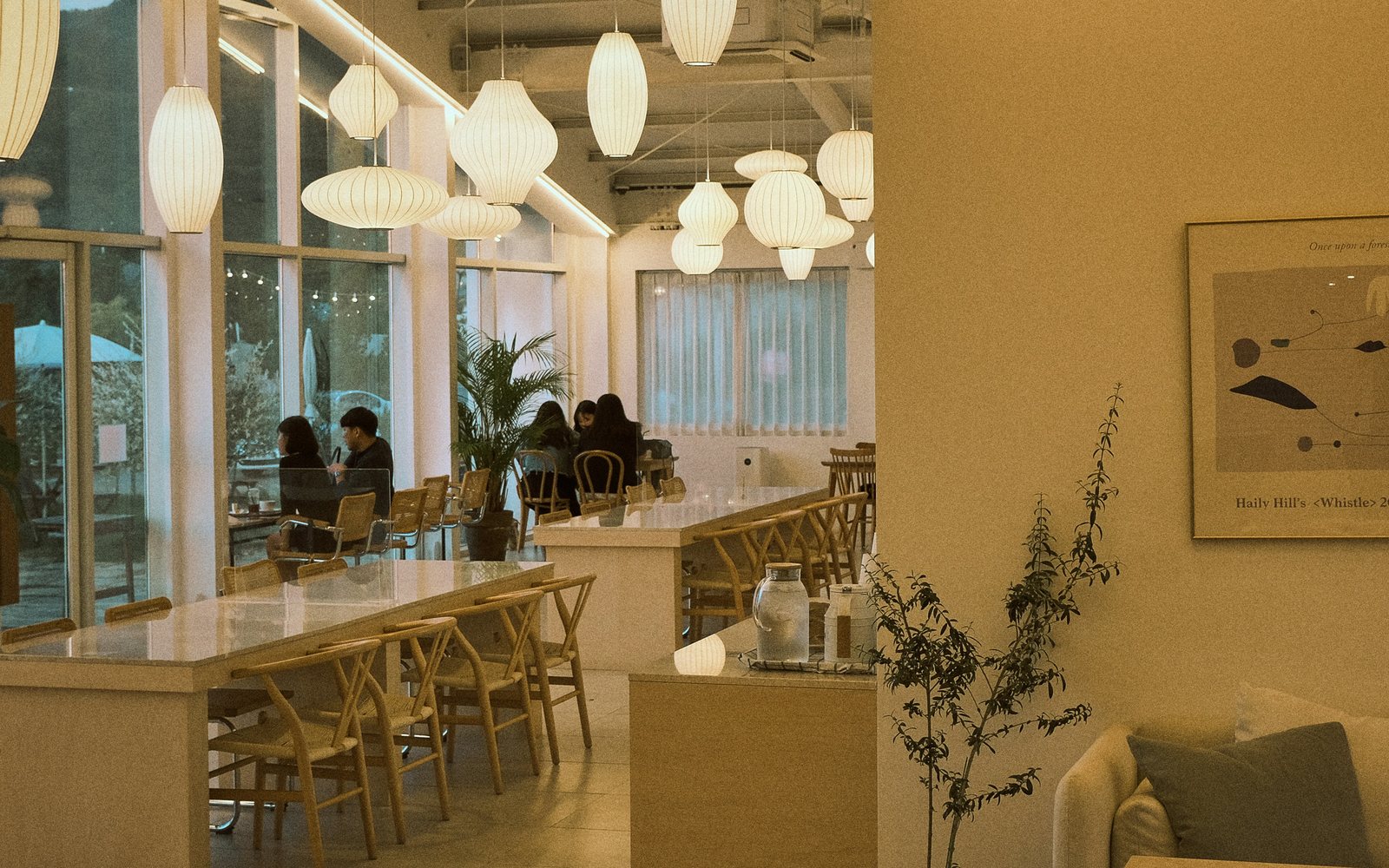
Cafe table models in current production
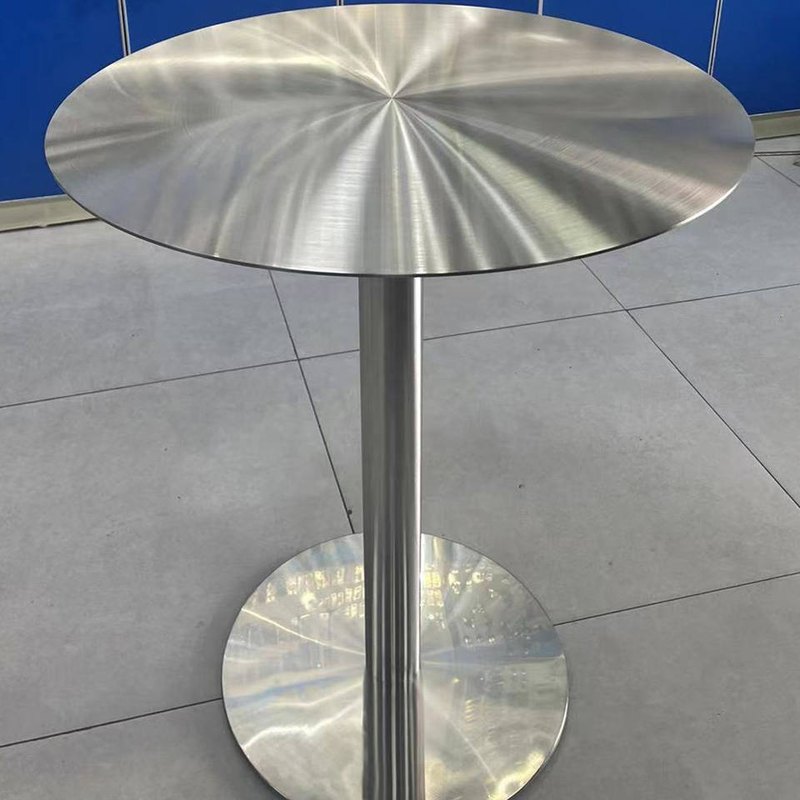
Brushed Stainless Round Cafe Table
- Brushed stainless steel
- Dining · 740–780 mm
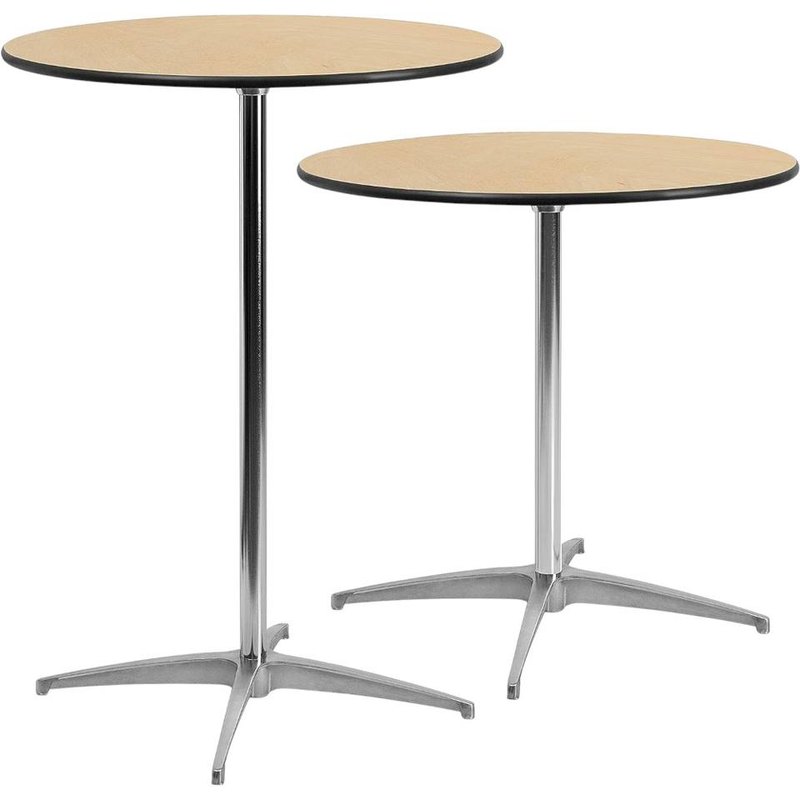
Round Folding Cafe Table
- Timber-look laminate on a ply core
- Dining · 762 mm
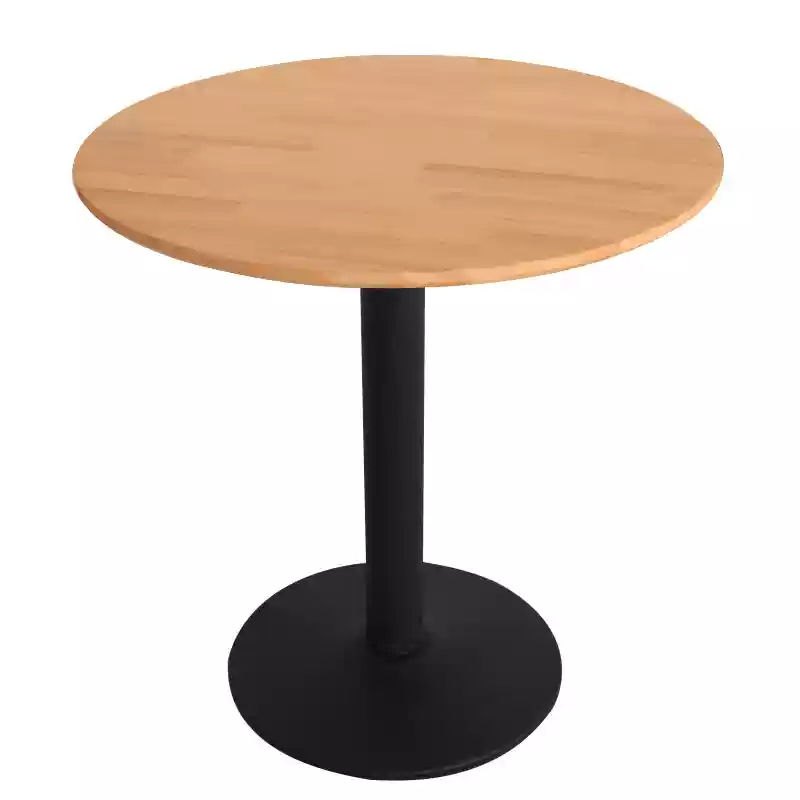
Scandi Round Timber Cafe Table
- Solid wood
- Dining · 740 mm std
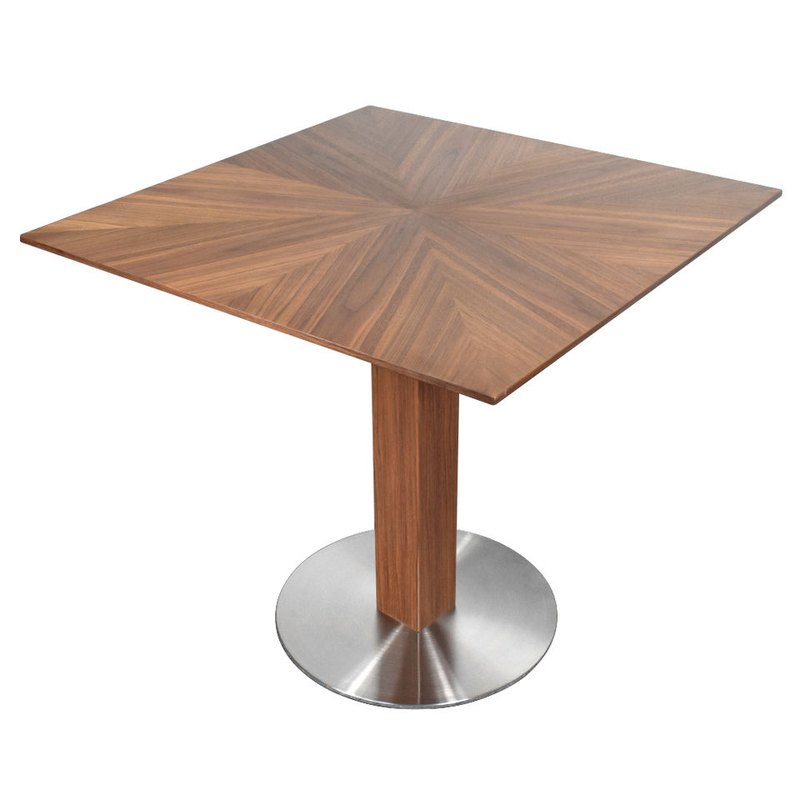
Star-Veneer Square Cafe Table
- Veneered board
- Dining · 740 mm std
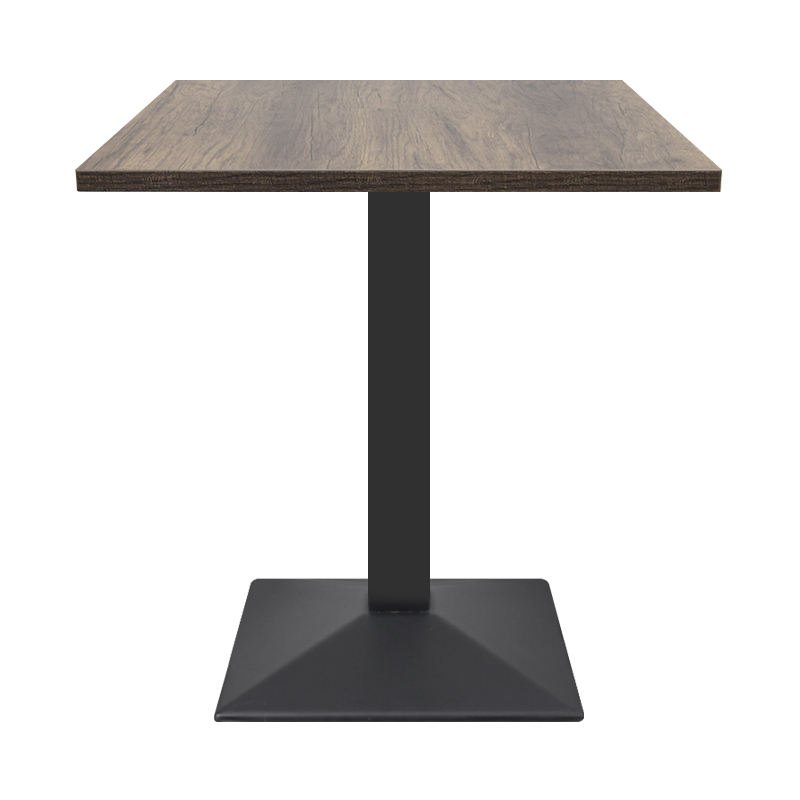
Square Melamine Cafe Table
- Melamine-faced board
- Dining · 740 mm std
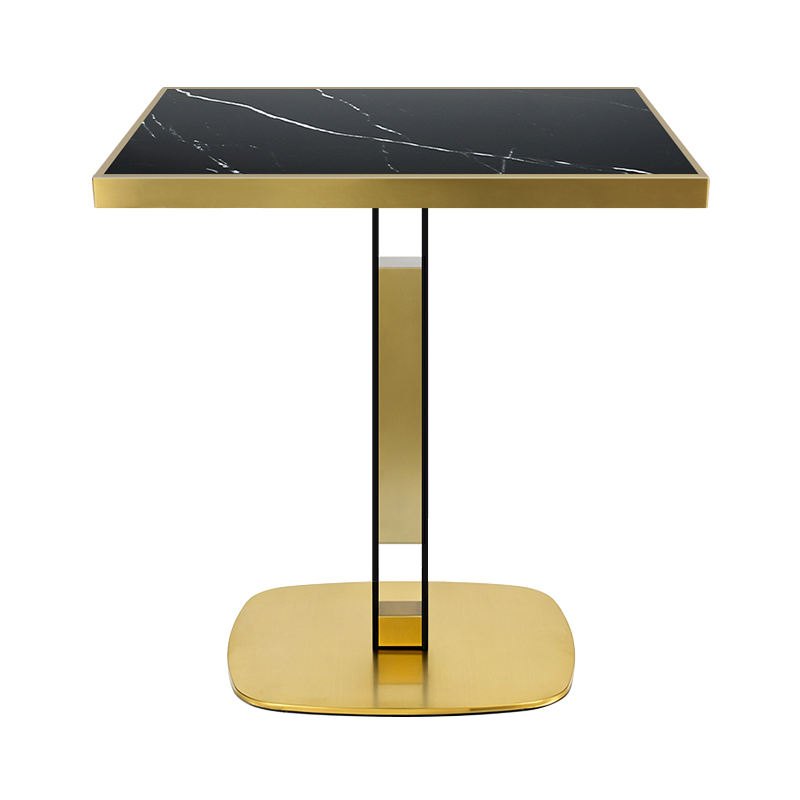
Sintered Stone Cafe Table, Brass Base
- Sintered stone
- Dining · 740 mm std
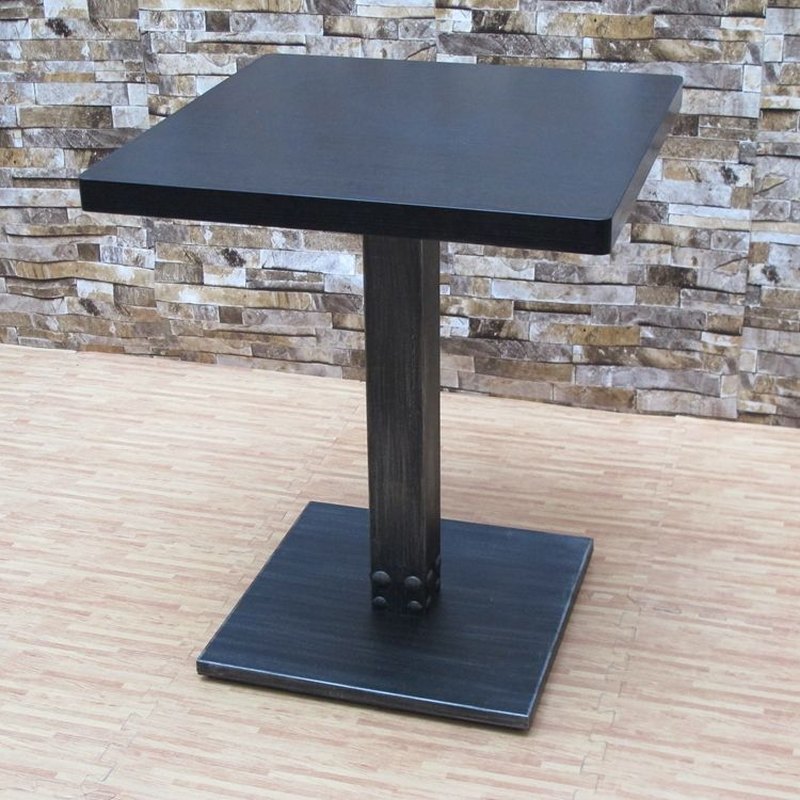
Square Timber-Top Cafe Table
- Timber veneer on board
- Dining · 740 mm
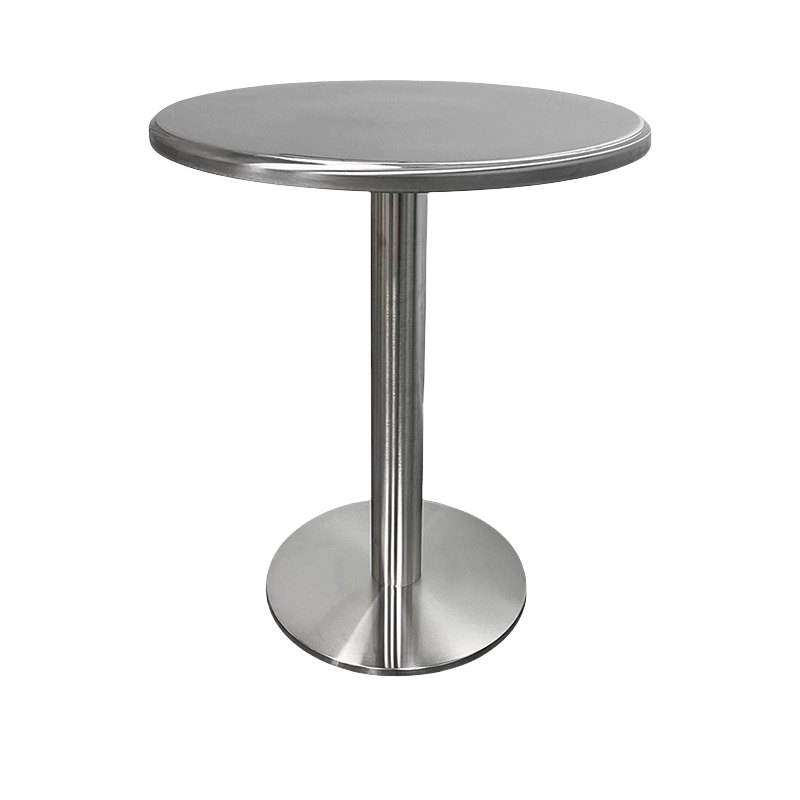
Two-Tier Stainless Cafe Table
- Brushed stainless
- Dining · 740 mm std
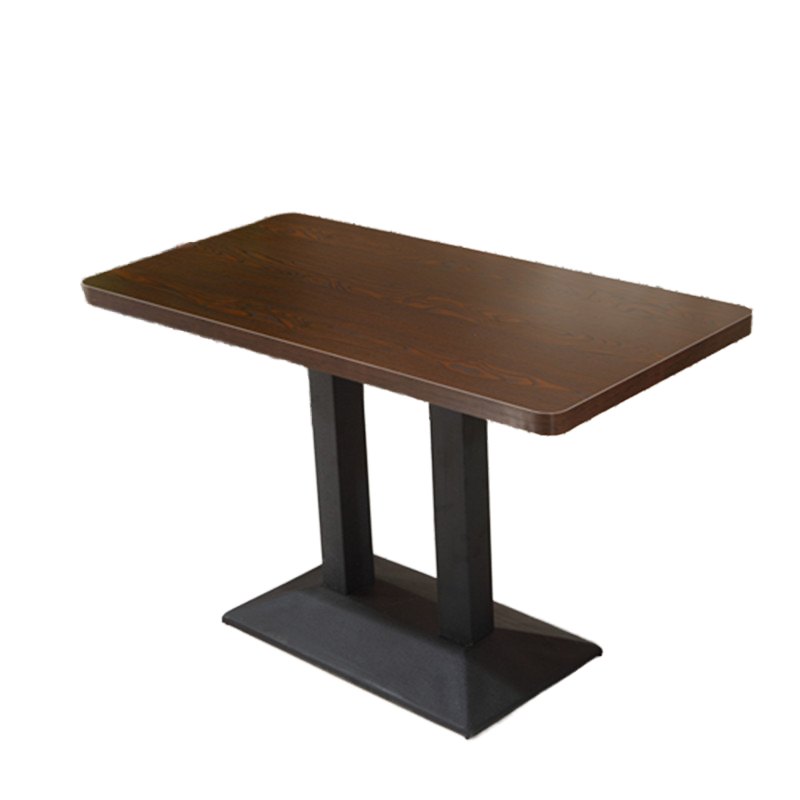
Rectangular Light-Top Cafe Table
- Light oak laminate
- Dining · 750 mm
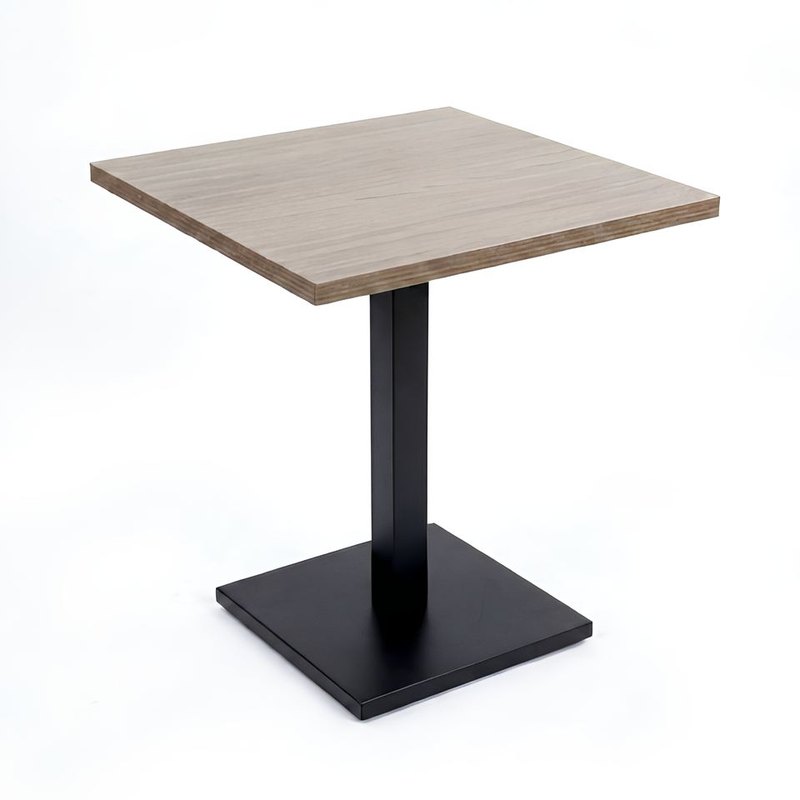
Square HPL-Top Cafe Table
- HPL compact top
- Dining · 740 mm std
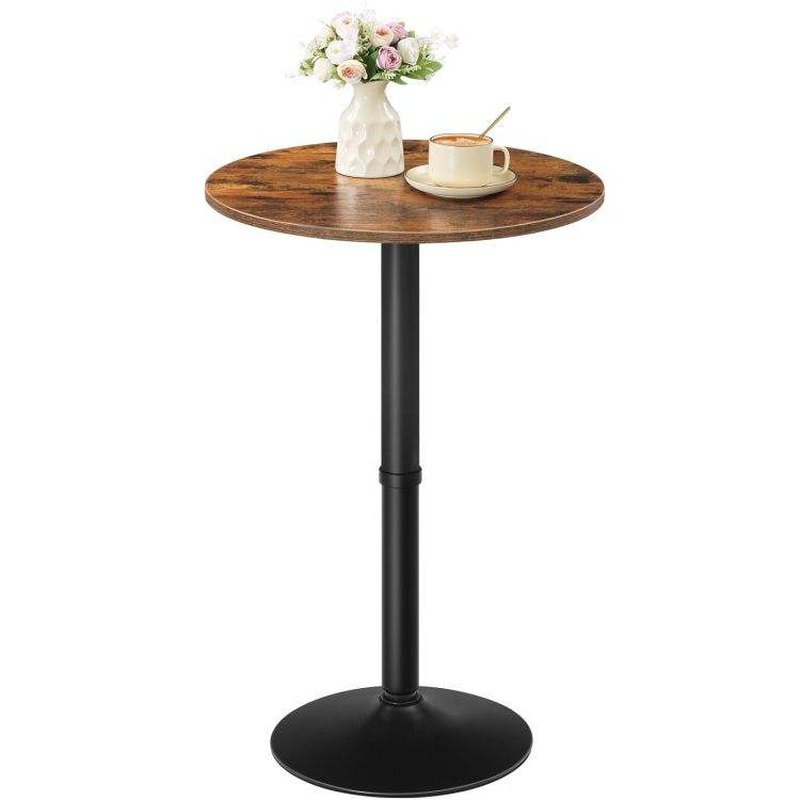
Industrial Round Counter Table
- Timber-look top
- Counter · 890 mm
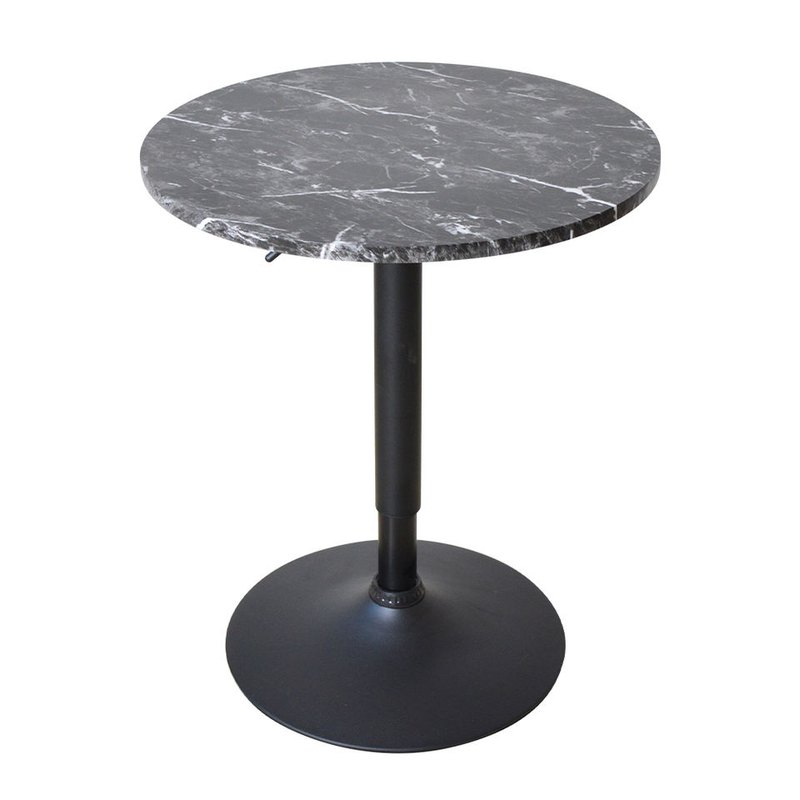
Adjustable Marble-Top Cafe Table
- Faux marble
- Dining to counter · 700–910 mm
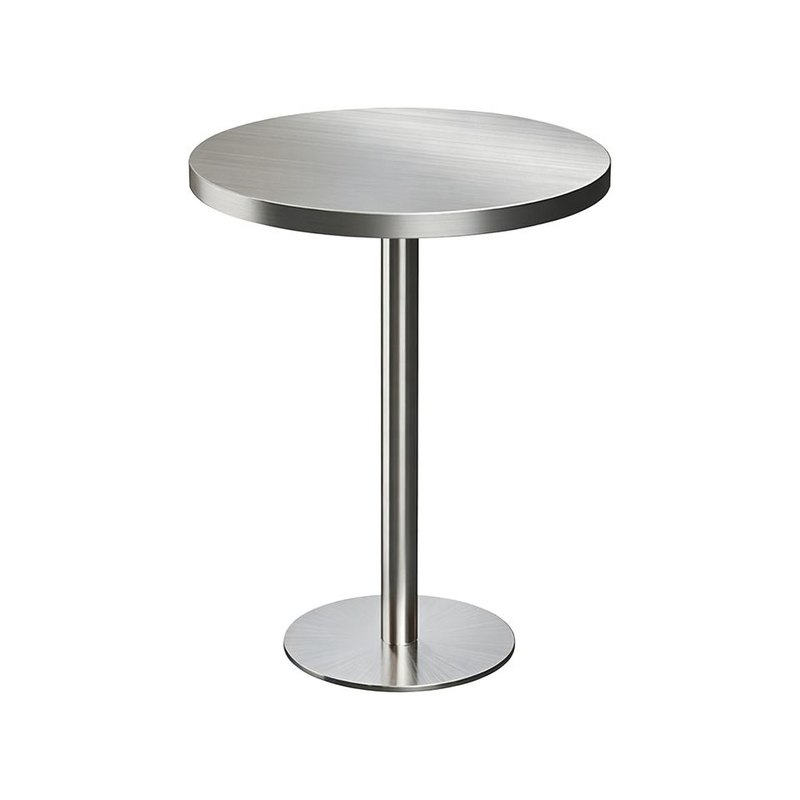
Slim Stainless Round Cafe Table
- Brushed stainless
- Counter · 900 mm std
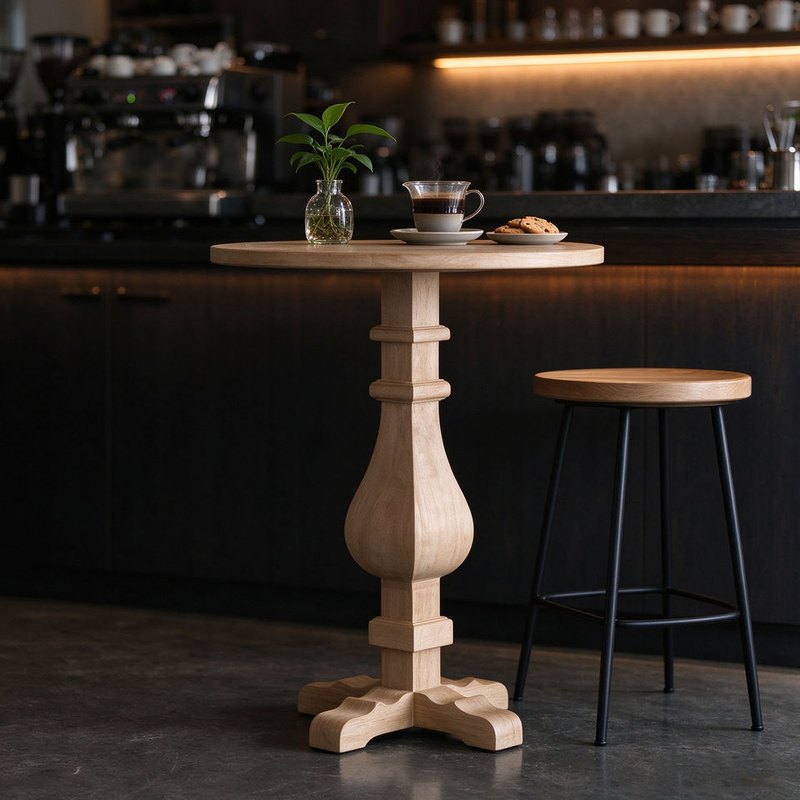
Turned Pedestal Standing Table
- Solid wood
- Standing · 1060 mm
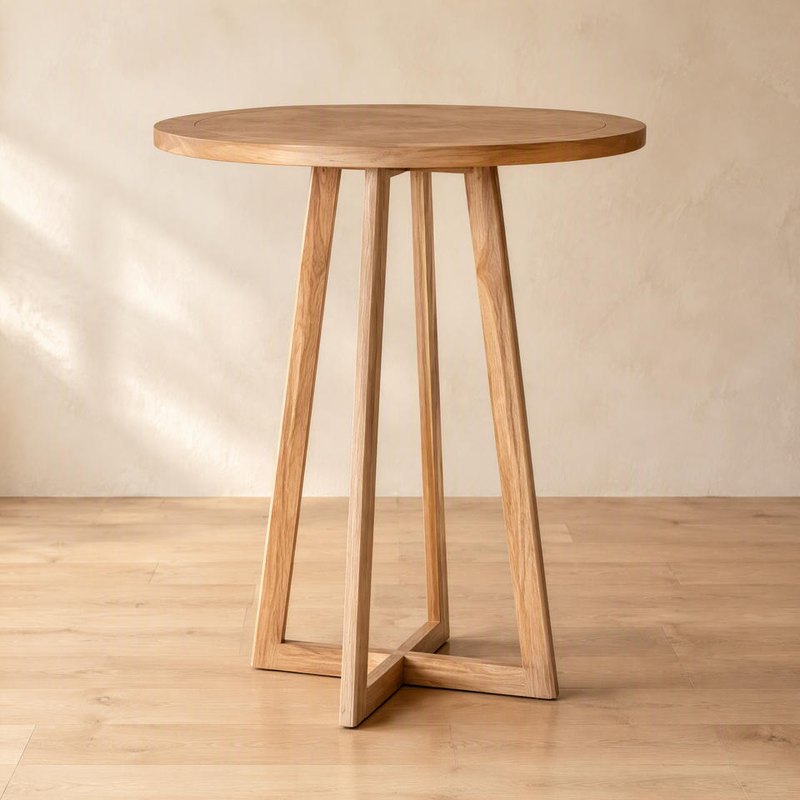
Nordic Round Standing Table
- Solid wood
- Standing · 1060 mm
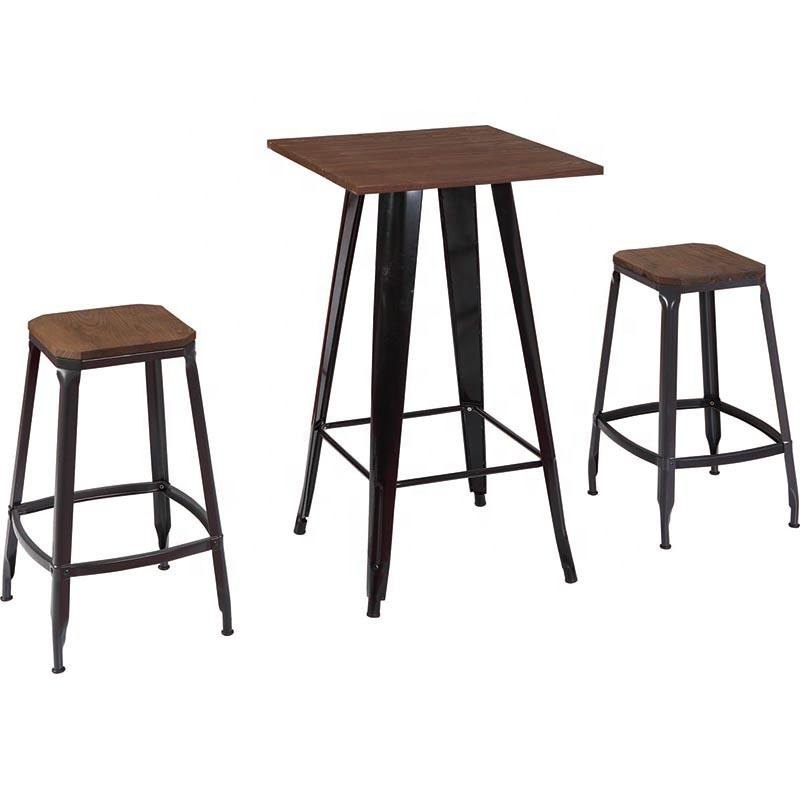
Square Steel Standing Table
- Metal top
- Standing · 1020 mm
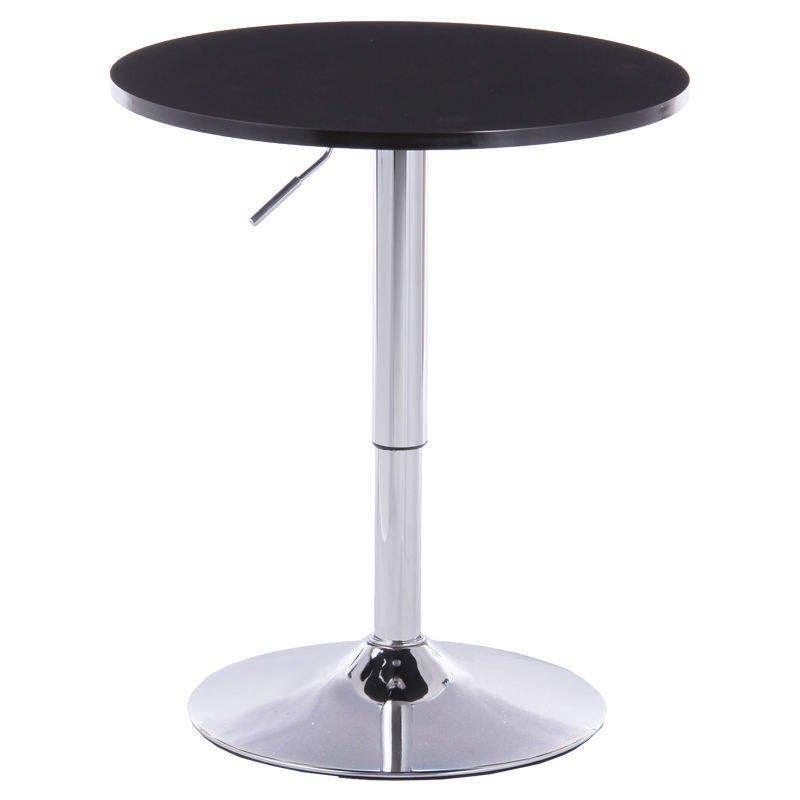
Portable Adjustable Standing Table
- MDF with laminate face
- Dining to standing · 700–1050 mm
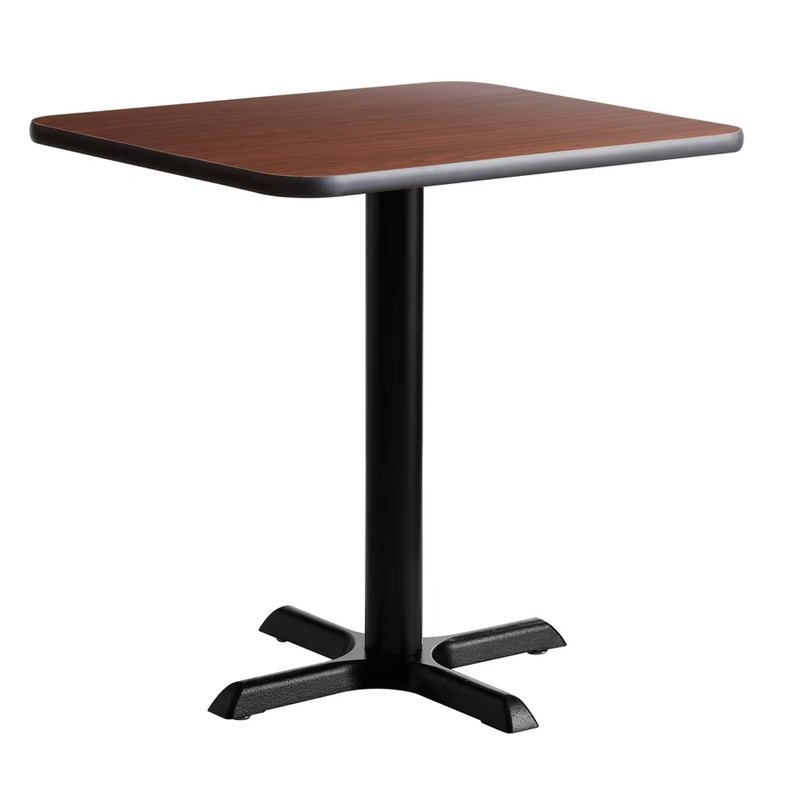
Square Hot-Pressed Wood Cafe Table
- Hot-pressed wood top
- Any height · 610–1066 mm
What a two-top actually has to hold
Two coffees, two plates, two phones and a bag on the floor. That is the real load, and it fits on 600 × 600 mm — but only just. At 600 mm the plates meet in the middle and one guest ends up holding their cup. At 700 mm there is room for a third cup or a laptop. At 800 mm the table stops being a two-top and starts being a table for four who ordered drinks.
In a room under 60 m², the difference between 600 and 700 is often the difference between twenty-four covers and eighteen. It is worth drawing both before deciding.
| Top sizes | 600×600 · 700×700 · 800×800 mm · 1200×700 on request |
|---|---|
| Round tops | Ø600 · Ø700 · Ø800 mm |
| Dining height | 720–750 mm, matched to a 450 mm seat |
| Counter height | 890–910 mm, matched to a 650 mm seat |
| Standing height | 1020–1060 mm, no seat — for the ten minutes before a table frees up |
| Top material | Solid ash or oak, birch ply, compact laminate, or stone-effect |
| Top thickness | 25–40 mm depending on material |
| Base | Cast iron cross, four-leg timber, or steel column with adjustable foot |
| Levelling | ±10 mm on column bases, for old or tiled floors |
| Edge | Square, chamfered, or rounded — rounded where chairs get pushed in |
| Minimum order | On request · typically 10 pieces per size |
| Production | 15–30 days after sample approval |
Three heights, and which one a position wants
Dining height is the default and it is where most covers sit: 720–750 mm against a 450 mm seat. Counter height — 890 to 910 mm — belongs on the window run and along the ledge facing the pass, where a guest should be level with the street rather than under the sill; it takes a 650 mm seat. Standing height, 1020 to 1060 mm, is for the floor nobody planned: the metre beside the door, the corner where people wait.
Getting the pairing wrong is the most common ordering mistake we see. Put a 750 mm stool under a 900 mm counter and it looks close on a drawing but feels wrong within a minute of sitting down; the same 900 mm table with a 450 mm chair puts the cup at chest height. Send the plan with the seat you already own and we will set the table height to it rather than the other way round.
Why the base decides how long the table lasts
Table tops in a cafe get leaned on, wiped forty times a day and pushed against a wall when the floor is being swept. The top survives that. What fails is the junction between the top and the base: four screws into a 25 mm top will pull out within a year if the table is dragged rather than lifted.
Two fixes, both cheap at the quote stage and expensive afterwards. Cast bases spread the load across the underside of the top instead of four points. Column bases with an adjustable foot keep a table still on a floor that is not level — common in older buildings, where a table that rocks gets a folded napkin under one leg for the rest of its life.
Timber or compact laminate
- Solid timber — warm, repairable, and it ages the way a cafe wants it to. It also needs a matte oil or lacquer that can be re-applied, and it will mark where a hot cup is put down without a saucer.
- Compact laminate — no grain, no rings, no maintenance, and it survives a bleach wipe. The trade is that it reads as a surface rather than a material, which matters in a room where the table is the main texture.
- Stone-effect — heavier, quieter under a cup, and it holds a cold drink ring less visibly than timber. It also costs more to ship, and that shows up in the delivered price rather than the unit price.
Getting the table count right before ordering
The rule we use: allow 1.1 to 1.3 m² per cover including the aisle behind the chair, and keep 900 mm clear between a table edge and the counter. Forty square metres lands at 20 to 24 covers; ninety at 44 to 52. Send the plan and we will draw it rather than estimate it.
Can I get one table size across the whole room?
Are the tops supplied with the bases or separately?
What about a table that has to be moved every day for cleaning?
Send the room, get the table count
Room dimensions, the counter run and the covers you are aiming for. We come back with a layout, a table size recommendation and a price for the whole room.