Seat and Table Heights for Cafe Chairs: What Fits
The seat is set by the table, the table by the covers, and the covers by the room. The four measurements that matter, with the gaps that keep guests comfortable.
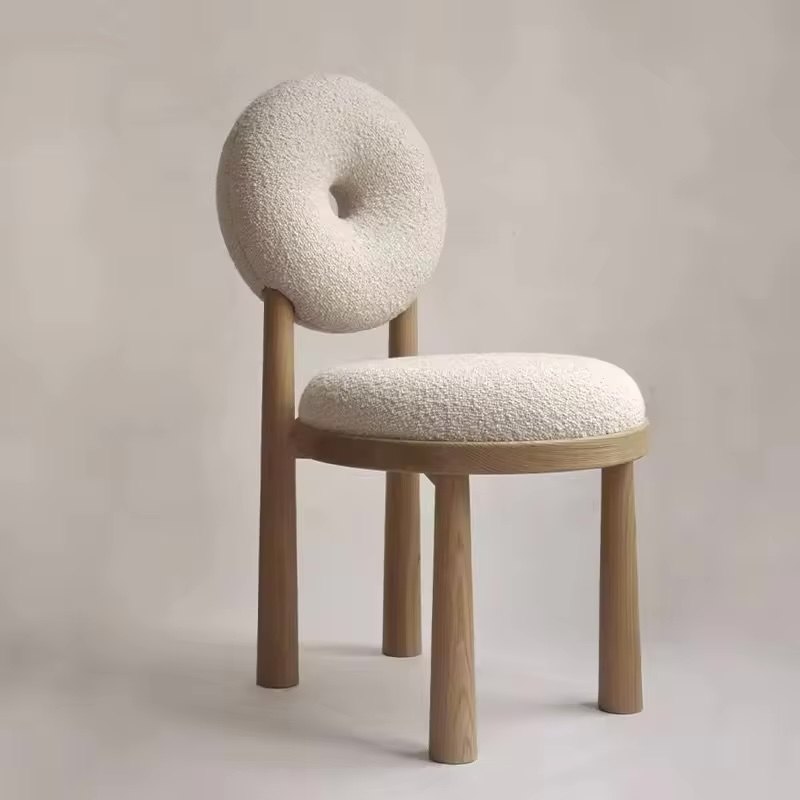
Seat height is set by the table, never by the chair
The cafe table sits at 720–750 mm. The seat that goes with it is 450 mm, which leaves 270–300 mm between the seat and the underside of the top. That gap is where your thigh goes.
Drop the seat to 420 mm and the gap closes to 250 mm; most adults feel it within ten minutes. Raise it to 480 mm and the shoulders come up, which reads as tension from across the room.
Where counter height breaks the rule
Counter seating runs at 900–1100 mm with a 650–750 mm stool. The 300 mm gap still applies, but the footrest moves: it has to sit 450 mm below the seat so the leg is not left hanging.
Stools without a footrest are the most common counter mistake. Guests perch for four minutes and leave, which is fine for a takeaway window and wrong for a room you want people to sit in.
Table size follows the number of covers
Two-tops need 600–700 mm across and four-tops need 800–900 mm. Anything smaller and the plates meet in the middle before the drinks arrive.
Square tops fit more covers per square metre than round ones because they tile. Round tops read calmer and cost you about 10 percent of the floor.
Seat width and the person who will complain
Allow 420–460 mm of seat width and 440–480 mm of seat depth. Below 400 mm of width, shoulders touch and people eat faster.
Back height changes the feel of the whole room. Backs at 350 mm say quick stop; backs at 850 mm say stay. Same seat, same price bracket, different trade.
What to put in the drawing you send
Send the table height, the underside clearance, the seat height, and the floor-to-seat number you measured in your own room. Suppliers quote to those four numbers and stop guessing.
If the room has a raised platform or a sloping floor, add the finished floor level. Twenty millimetres of step under a table leg is a wobble that no spec sheet warns you about.
Test it with a real chair before the bulk order
One sample chair on a real table for one afternoon tells you more than a page of dimensions. Sit for twenty minutes, stand up, sit again. The second sit is the honest one.
What the purchase order has to say
Furniture orders that go wrong usually went wrong on paper. The line that causes the argument is rarely the price — it is the finish, the size tolerance or the packing.
Write these onto the order: model number, finish name and code, upholstery code, cafe chair overall size with a tolerance of plus or minus 5 mm, carton count, and the spare parts list. Anything not written is a guess at the other end.
Three things to check the day it lands
Open one carton per model before signing the delivery note. Check the frame for a bend at the leg, the top for a chip on the edge, and the seat for a colour difference against the sample you approved.
Photograph anything you accept with a note. Defects recorded on the delivery day are warranty claims; the same defect reported three weeks later is a discussion.
How the quote is actually built
Frame, upholstery, finish, packing and freight. Those five lines cover almost all of it, and the only one that varies with quantity is frame and upholstery.
Ask for the unit price at 20, 50 and 100 pieces. Quotes that do not move between those steps are either already at the floor or padded at the top.
Ordering the same thing again in two years
Dye lots change. The frame you reorder in year three will match the drawing and may not match the seat next to it, which is why the spec sheet matters more than the photo.
Keep the finish code and the upholstery code on file. cafe furniture catalogue reorders from that code without a new sample round, which saves three weeks.
Where to go next
The full range sits in one place: cafe chairs, custom cafe furniture, and the cafe layout support desk for anything off-plan.
What seat height goes with a 750 mm table?
How wide should a cafe chair be?
What is the gap for counter seating?
Next in the same range
How Many Cafe Chairs Fit a Room, and Where They Go
Seat counts for cafe chairs from the usable floor: a 40 sqm room holds 20 to 26 covers at 2.2 sqm per two-top,
Read more →Choosing Materials for Cafe Tables That Last
Wood, metal, upholstery and tops for cafe tables: where each one fails on a busy floor, and the two numbers th
Read more →Fit-Out Timeline for Cafe Tables, Start to Opening
Cafe Tables from sample to opening: 15 days of sampling, 25–35 days of production, 30–40 days at sea, and the
Read more →Send a floor plan, get a seat count and a price
Tell us the room size, the counter length and how many covers you need. We come back with a layout, a seat count and a written quotation — usually inside three working days.